Learn to spot roofing scams in Danvers before signing anything. A local GAF Master Elite roofer breaks down 5 red flags homeowners miss.
A Danvers homeowner called us last July, the morning after a bad thunderstorm, asking if we could match a quote a stranger had left on her door an hour earlier. That door hanger promised a free roof and a same-day signing discount. It was one of the clearest roofing scams in Danvers we have seen, and it follows a pattern that shows up every summer once storms start rolling through the North Shore.
What Counts as a Roofing Scam in Danvers?
A roofing scam in Danvers usually starts with a stranger showing up right after a storm, pointing to damage you cannot see from the ground, and pushing you to sign a contract the same day. Common versions include exaggerated hail damage claims, offers to waive your insurance deductible, and pressure to sign over your insurance check before any real inspection happens. The safest move is always the same one: get a second, written opinion from a local, licensed roofer before you sign anything at all.
What Homeowners Usually Notice First
Most homeowners do not notice the scam right away. They notice a knock on the door right after a storm, or a truck parked on their street that was not there the day before. The pitch is almost always urgent. "I'm already in your neighborhood." "I found damage while inspecting your neighbor's roof." "This price is only good today."
That urgency is not really about your roof. It is about getting a signature before you have time to check anyone's credentials.
Some homeowners notice something smaller, too. The person at the door cannot name a past customer on the same street. They cannot say which building department in Danvers handles roofing permits. They dodge a direct question about their HIC registration number. Those small gaps are usually the first honest clue that something about this Danvers roofing scam does not add up.
What a Roofing Contractor Looks For
On many roof inspections we run after a storm, we are not only checking for damage. We are also checking for signs that someone already tried to create damage, or talk a homeowner into believing there was more than there really is.
A roofer evaluates this by comparing three things: what is visible from the ground, what actually shows up on the slope, and whether either one matches real storm data for that date. If a homeowner tells us a contractor pointed out "hail damage," we check the record. NOAA's Storm Events Database logs confirmed hail and wind events by county, including Essex County. If there is no severe weather event on record for that date, that is a strong sign the damage was staged, exaggerated, or simply misidentified.
We also look at granule loss patterns up close. Real hail impact leaves scattered, random bruising across a slope, often with a soft, dark spot where the mat underneath is exposed. Damage from one of these scams in Danvers tends to look different: too uniform, sometimes scraped in with a tool, and concentrated in one small area that is easy to point a phone camera at.
What homeowners often miss is that a legitimate roofer documents all of this in writing, with photos tied to specific sections of the roof, not just a verbal claim. That written record is the real difference between an honest inspection and a pressure sale, and it is something you are entitled to ask for before you agree to anything.
Common Mistakes Homeowners Make
The most common mistake is signing a contract the same day a stranger knocks on the door. A real roofing job, even an urgent repair, can wait the day or two it takes to check a company's registration and call one reference.
The second mistake is handing over an insurance check before a written scope of work exists. Once that check changes hands, a homeowner has far less leverage if the work turns out to be rushed or incomplete.
The third mistake, and one of the more expensive ones, is agreeing to a deductible "waiver." A contractor cannot legally pay, waive, or discount your insurance deductible. Doing so usually means sending your insurer a false invoice, which is insurance fraud under Massachusetts law, and it can leave the homeowner on the hook even after the work is done.
We also want to be direct about our own role here. We do not negotiate your insurance settlement or promise what your insurer will pay. What we can do is document the roof accurately and give you a written report you can bring to your own insurance company, or to a second contractor, so the decision stays in your hands.
How to Decide If a Contractor Is Legitimate
Before signing anything, ask for three things: a Massachusetts HIC registration number, a local address you can verify, and a written, itemized estimate rather than a verbal number. A contractor with nothing to hide will give you all three without hesitation.
It also helps to ask how long the estimate is good for. Scam-style pitches usually expire "today only." A legitimate quote from a company planning to stay in your town for years will hold for a reasonable window, often a week or two, because there is no reason to rush a homeowner into a decision.
If storm damage is involved, our Storm Damage & Insurance Claims process is built around this exact concern: a documented, photo-based inspection first, a written report second, and the homeowner deciding what happens next.
Local Weather Context: Why Danvers Sees More of This in Summer
Roofing scams in Danvers cluster around a specific window: April through August, when the North Shore gets its share of severe thunderstorms and occasional hail. Canvassing crews follow the weather from town to town, sometimes working an entire county in the days right after a storm system passes through. Once the season quiets down in the fall, the door-knocking mostly stops, until the next storm rolls in.
That timing is not a coincidence. It is easier to convince a homeowner that "damage" is real right after a loud storm, when nerves are already a little on edge and a fast answer feels appealing. Slowing down by even a day or two is usually enough to tell a real inspection from a rushed one.
What to Do Next
If a contractor already knocked on your door, or you are just not sure whether recent storm damage is real, the safest next step is a second opinion from a company that will still be in Danvers next year. Get a free, photo-documented inspection before you sign anything, and you will have a written record either way, whether that means a legitimate repair or peace of mind that your roof is fine.
You can also visit us in Danvers, MA to talk through a recent storm or a strange door-hanger offer in person.
Frequently Asked Questions
Is it normal for a roofer to show up uninvited after a storm in Danvers?
It happens, and not every uninvited contractor is running a scam. The difference is what they do next. A legitimate roofer will offer a free inspection and leave you a written estimate with a registration number, not a same-day deadline. If someone pressures you to sign before they even finish looking at the roof, that is the bigger warning sign than the knock itself.
How can I check if a hail damage claim from a contractor is real?
Ask which date the contractor believes the storm occurred, then check NOAA's Storm Events Database for confirmed hail or wind events in Essex County around that date. If nothing lines up, ask for a second opinion before agreeing to any work. A contractor confident in their findings will not mind you checking.
Can a roofing company legally waive my insurance deductible?
No. Waiving or discounting a deductible means submitting a false invoice to your insurer, which is insurance fraud under Massachusetts law (M.G.L. c. 266, §111A). Any contractor offering this, even framed as a "promotion," is asking you to take on legal risk to save a few hundred dollars.
What should I ask a contractor before signing a roofing contract in Danvers?
Ask for their Massachusetts HIC registration number, a local address, and a written itemized estimate with a start and completion date. Under Massachusetts law (M.G.L. c. 142A), any home improvement contract over $1,000 must include this information in writing, so a contractor unwilling to provide it is already out of compliance.
Should I let a contractor talk to my insurance company for me?
A contractor can meet the adjuster on-site and point out documented damage, but negotiating your settlement on your behalf generally requires a licensed public insurance adjuster under Massachusetts law. Be cautious of any contractor who says they will "handle everything" with your insurer or take a fee based on your payout amount.
How fast do roofing scams usually move after a storm in Danvers?
Fast. Many canvassing crews try to get a signed contract within a day or two of a storm, sometimes the same afternoon. Taking even 24 to 48 hours to get a second opinion rarely delays a real repair, but it is usually enough time for a rushed pitch to fall apart on its own.
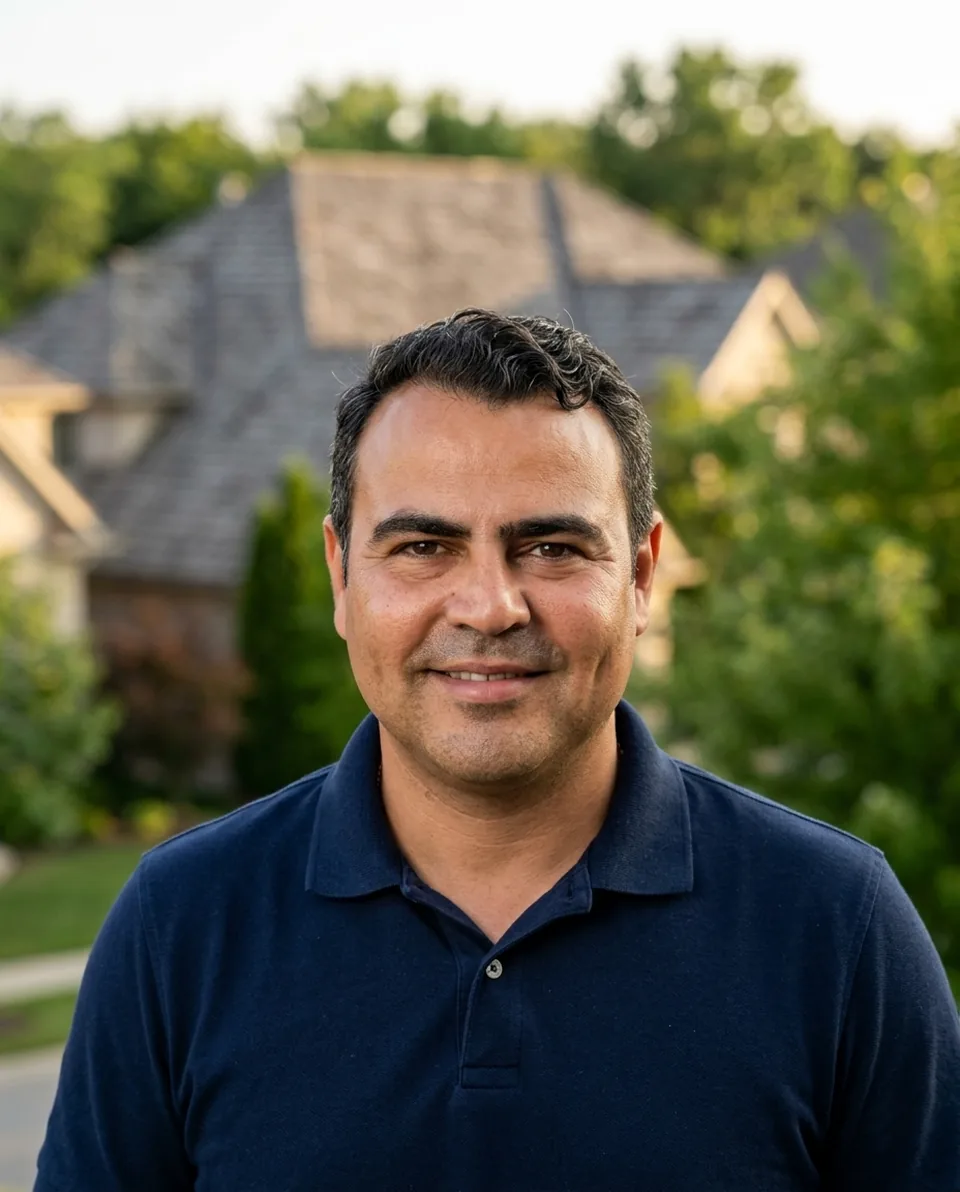
Gustavo Cardoso, President.