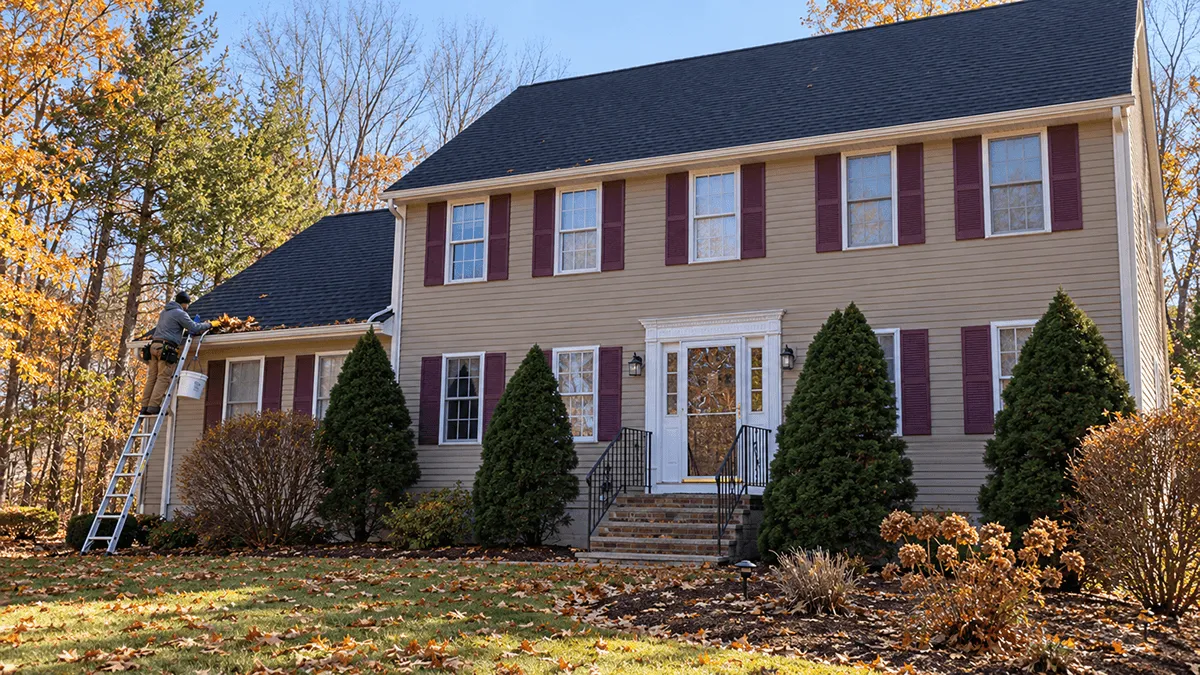
Filing a storm damage insurance claim in Lexington? These six general tips help you document damage and avoid common contractor scams.
Late fall brings the first real snow and ice storms of the season, and with them, a predictable rise in unsolicited contractors knocking on doors. Understanding storm damage insurance in Lexington before that first bad storm hits gives homeowners a much stronger position, whether they end up filing a claim or not.
Quick Answer: What Should You Do First After Storm Damage?
Document everything with dated photos before any repair work begins. Contact your insurance carrier directly to start the claims process, rather than through a contractor offering to handle it for you. Get a written estimate from a licensed, registered contractor, and confirm their registration number before signing anything. This general guidance around storm damage insurance in Lexington applies whether the damage is minor or significant, and following it in order protects your claim and your home.
What Homeowners Usually Notice First
Most homeowners notice storm damage the same way, missing shingles, a dented gutter, or debris on the roofline after a bad night of wind and ice. These visible signs are usually what prompts the first call, whether to an insurance carrier or a contractor.
What often gets missed is how quickly unsolicited contractors show up after a storm, sometimes within hours. Storm damage insurance in Lexington claims move more smoothly when the homeowner controls the process from the start, rather than letting the first person at the door set the pace.
What a Roofing Contractor Looks For
On many post-storm visits, we see homeowners focused on the most visible damage, missing shingles or a dented gutter section. A roofer evaluates more broadly. We check flashing at every roof penetration, look for shingles that may have shifted or cracked without fully detaching, and note anything relevant for a written, photo-documented report a homeowner can use with their carrier.
What homeowners often miss is that a thorough written report matters more than a quick verbal assessment when it comes to storm damage insurance in Lexington. Insurance carriers work from documentation, and a report with clear photos and specific findings supports a claim far better than a general description of what happened.
Winter Hill Roofing provides storm assessments and documentation to support Storm Damage & Insurance claims throughout Lexington. Winter Hill is a licensed roofing contractor, not a public adjuster or insurance agent, and does not determine claim outcomes.
Common Mistakes Homeowners Make
The most common mistake is signing an agreement with a contractor who shows up unprompted at the door, especially one who offers to "handle everything" with the insurance company directly. Massachusetts consumer guidance on storm-chaser patterns specifically flags same-visit pressure to sign as a red flag worth taking seriously.
A second mistake is skipping the step of confirming a contractor's registration. Massachusetts law is direct on this point: every contract, building permit, and advertisement is required to display the contractor's registration number. A legitimate local contractor will have this ready without hesitation.
A Lexington homeowner described a pattern that's become common after regional storms. A contractor appeared at the door the same afternoon a storm passed through, offering a quote before ever getting on the roof and pushing for a same-day signature. The homeowner declined, contacted their own carrier first, and scheduled an independent assessment, which documented the actual scope of storm damage insurance in Lexington claims are meant to cover, without the pressure of an on-the-spot decision.
A related pattern worth watching for is a contractor who quotes a repair price before ever getting on the roof to see the actual damage. A responsible assessment involves someone physically examining the affected area, not estimating scope from the ground or from a description over the phone. If a quote arrives suspiciously fast, before any real inspection has happened, that's worth treating as a signal to slow down rather than move forward.
Decision Guidance: How Should You Approach a Claim?
Contact your insurance carrier as a first step, not a last resort, since they set the actual process and requirements for your specific policy. Get an independent, written estimate from a licensed contractor before agreeing to any repair scope, and keep every document, photo, and piece of correspondence organized as the claim moves forward.
One recent customer described their experience with a related storm-resilient project this way: "We had our roof and gutters replaced in early May by Winter Hill Builders. Their team was efficient and professional, finishing the job on schedule. We are very pleased with the quality of the work and the overall experience." That kind of clear communication matters just as much during a storm-related repair as it does on a routine replacement.
Local Weather Context: Why This Matters in Lexington Heading Into Winter
Massachusetts winters bring real, well-documented storm risk. NOAA's records for Boston Logan Airport show the 2014-2015 winter alone brought 110.6 inches of snow, a season still referenced today because of the ice dam and structural damage it caused across the region. Storm-related roofing complaints tend to rise alongside this kind of weather, which is part of why Massachusetts consumer protection guidance specifically warns homeowners about post-storm contractor pressure each winter.
Lexington's mix of historic and newer homes means storm damage insurance in Lexington claims can vary widely in complexity. An older home with more complicated rooflines may need a more detailed inspection to fully document damage than a newer, simpler roof design.
It's also worth keeping a simple, organized file for anything related to the claim as it develops. Save your written estimate, any correspondence with your carrier, dated photos, and receipts for temporary repairs like tarping in one place from the start. If a claim takes weeks to resolve, which is common during a busy storm season when adjusters are handling a higher volume of calls, having everything organized makes follow-up conversations faster and reduces the chance something important gets lost between phone calls.
A Quick Note
This article offers general, educational information, not legal or insurance advice. Winter Hill Roofing is a licensed contractor, not a public adjuster or insurance agent, and cannot guarantee what any specific claim will be approved for or what dollar amount a carrier will pay. For questions about your specific policy or claim, contact your insurance carrier directly or consult an attorney.
It also helps to understand, in general terms, how the claims timeline usually works. After you report damage, your carrier typically assigns an adjuster to review the claim, which may include their own inspection of the property. Having your own independent, written estimate ready before that inspection happens gives you a second, professional point of reference to compare against, rather than relying solely on the carrier's assessment as the only source of information about the scope of damage.
Ready for a Documented Storm Assessment?
If you're navigating storm damage insurance in Lexington, a written, photo-documented assessment from a licensed contractor gives you something concrete to work with, whatever your carrier ultimately decides. You can also visit us in Danvers, MA to talk through what we'd check on your specific roof. Get a written, photo-documented damage report to support your claim.
Frequently Asked Questions
Will my insurance definitely cover storm damage insurance in Lexington claims?
That depends entirely on your specific policy, which only your carrier can confirm. A roofing contractor can document damage and provide a professional estimate to support your claim, but coverage decisions and payout amounts are determined by your insurer alone.
How do I know if a contractor at my door after a storm is legitimate?
Ask for their Massachusetts contractor registration number, which state law requires on every contract, permit, and advertisement. Be cautious of anyone pressuring you to sign an agreement the same day they show up, since that pattern is specifically flagged in Massachusetts consumer guidance.
Should I let a contractor talk to my insurance company for me?
Contacting your own carrier directly is generally the safer approach. A contractor offering to "handle everything" with your insurer may not have your interests fully aligned with the carrier's, and Winter Hill Roofing, like any licensed contractor, is not authorized to act as your public adjuster.
What documentation actually helps a storm damage claim?
Dated photos from multiple angles, a written contractor estimate, and any correspondence with your carrier all help. The more organized and specific your documentation, the easier it generally is for a carrier to process the claim.
How soon after a storm should I start this process?
As soon as it's safe to do so. Early documentation, before any repairs begin, gives the clearest record of what the storm actually caused, which supports both the claims process and any eventual repair work.
Can temporary repairs, like tarping, affect my claim?
Reasonable temporary protection to prevent further damage generally supports a claim rather than working against it, since most policies expect homeowners to take steps to limit additional loss. Document any temporary repair with photos and keep the receipt as part of your claim file.
Want our roofing tips to show up first when you search? Add us as a preferred source on Google.
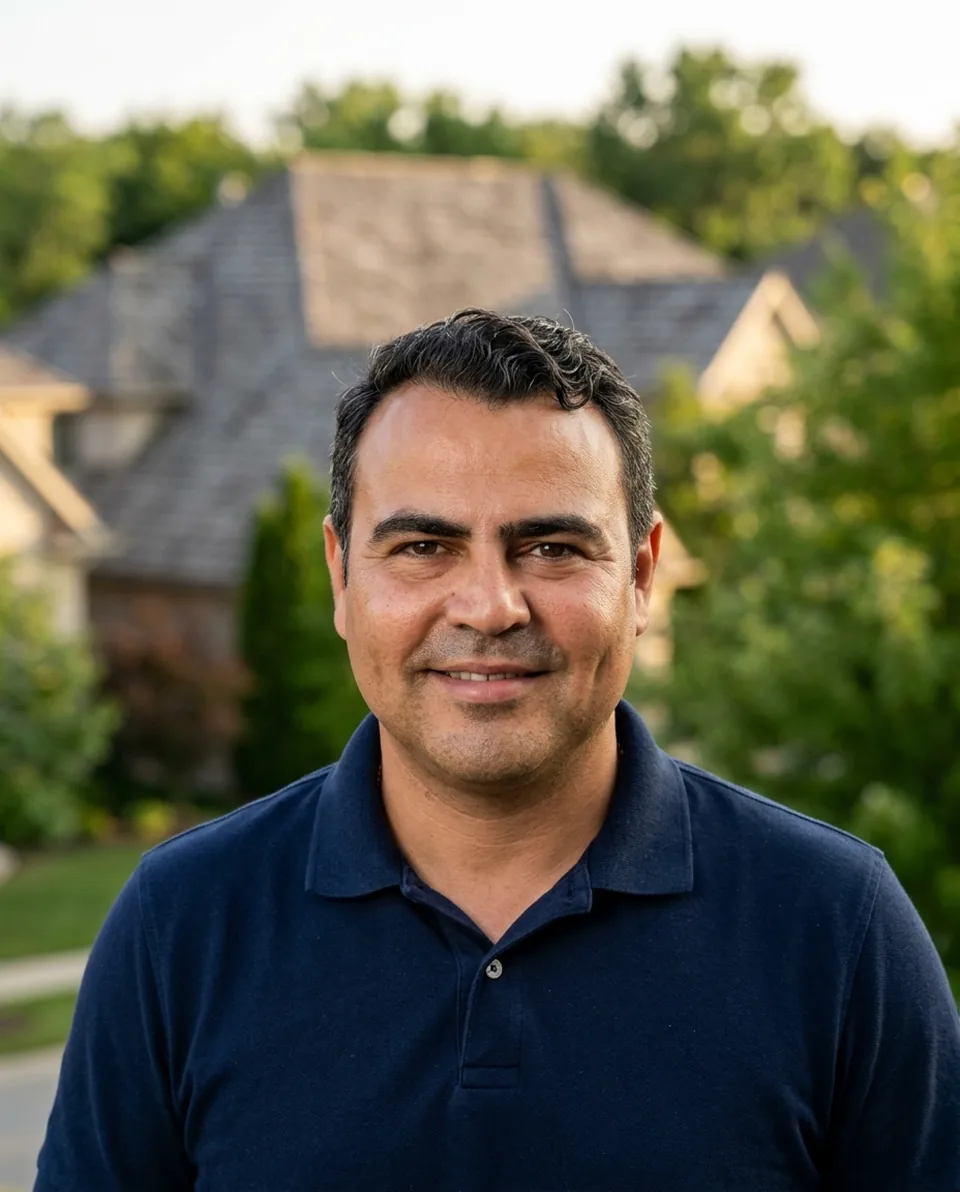
Gustavo Cardoso, President.